Tooba
|
January 30, 2026
Have you been waking up more often at night to use the bathroom? Or maybe you’ve noticed a weaker stream when urinating? These small changes can be easy to brush off, but they might be telling you something important about your prostate health.
Prostate problems are common as men get older, yet many delay seeking help until symptoms become severe. Recognising early signs gives you a better chance of addressing issues before they escalate. Let's walk through the most common early indicators, what they might mean, and when it's time to see a doctor.
Frequent Urination, Especially At Night
One of the earliest and most noticeable changes can be the need to urinate more often, particularly during the night. While this could be caused by other factors such as high fluid intake or certain medications, it's usually linked to an enlarged prostate, known as benign prostatic hyperplasia (BPH).
The prostate surrounds part of the urethra. As it enlarges, it can press on the urinary tract and disrupt normal flow. Waking up more than once or twice a night to urinate is worth getting checked, especially if it happens regularly.
Difficulty Starting Or Maintaining Urine Flow
If you find yourself standing at the toilet for longer than usual before anything happens, or if your stream stops and starts mid-flow, it could be a sign of prostate changes. This occurs when the urethra becomes partially blocked or narrowed.
In some cases, the cause is a non-cancerous enlargement. In others, it could be inflammation (prostatitis) or, more rarely, prostate cancer. A doctor can determine the cause with simple tests.
Weak Or Interrupted Urine Stream
A healthy urinary stream should be steady and strong. When the prostate is enlarged or inflamed, the narrowing of the urethra forces urine to pass through a smaller opening, reducing pressure.
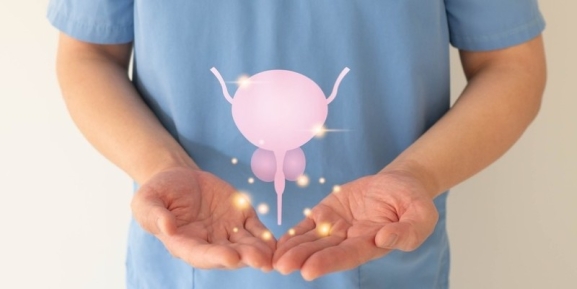
If you notice your stream has lost strength or stops before you feel your bladder is empty, that's a red flag. Some men adapt to it slowly and don't realise how much it's changed until they think back to how it used to be.
Feeling Like The Bladder Isn’t Empty
Another early sign is a lingering sensation that you still need to urinate, even right after you’ve gone. This can be frustrating and uncomfortable.
When the prostate restricts urine flow, the bladder has to work harder, sometimes without fully emptying. Over time, this can lead to more serious bladder problems, so it’s better to address it early.
Urgency To Urinate
Sudden, strong urges to urinate—sometimes so intense that getting to the bathroom in time becomes difficult—can be linked to prostate problems. This urgency is often related to bladder irritation from incomplete emptying or inflammation.
While urgency can be caused by urinary tract infections or other bladder issues, the prostate is a common factor for men, especially after age 50.
Pain Or Burning Sensation
Discomfort during urination is not a symptom to ignore. Pain, burning, or stinging could point to prostatitis, which is inflammation of the prostate gland. A bacterial infection or other non-infectious conditions may cause this.
Pain may also be felt in the perineum (the area between the scrotum and anus), lower back, or pelvic region. If you notice any of these, especially along with fever or chills, seek medical attention promptly.
Blood In Urine Or Semen
Blood in urine (hematuria) or semen (hematospermia) is less common but should always be taken seriously. While small amounts might not cause visible discolouration, even microscopic blood detected on routine testing can point to prostate issues.
Infections, inflammation, or more serious conditions like prostate cancer can cause this symptom. It’s not something to wait and see about—get it checked as soon as possible.
Erectile Dysfunction Or Painful Ejaculation
Prostate health is closely connected to sexual function. Trouble maintaining an erection, reduced sexual satisfaction, or pain during or after ejaculation can sometimes be linked to prostate inflammation or other problems.
While erectile dysfunction can have multiple causes, if it appears alongside urinary changes, it’s worth discussing with your doctor.
Discomfort In The Lower Back, Hips, Or Pelvis
Persistent aches or stiffness in the lower back, hips, or pelvis may be overlooked as normal ageing or strain. But specific prostate issues, including advanced prostate cancer, can cause referred pain to these areas.
If you experience these aches along with urinary symptoms, mention them during a medical evaluation.
Why Early Detection Matters?
Catching prostate issues early can make a huge difference. Many conditions, such as BPH or prostatitis, are treatable and manageable. Even prostate cancer, when detected early, has a high treatment success rate.
Ignoring symptoms can lead to complications like bladder damage, kidney problems, or advanced disease that’s harder to treat. Early evaluation often means simpler, less invasive treatments and better outcomes.
When To See A Doctor

You don’t need to wait until symptoms are severe. Book a medical checkup if you:
Wake often at night to urinate
Notice changes in stream strength or flow
Experience pain, burning, or blood in urine/semen
Feel pelvic discomfort or ongoing lower back pain
Men over 50—and those over 45 with a family history of prostate cancer—should consider regular prostate screenings. A doctor might recommend a digital rectal exam (DRE), a prostate-specific antigen (PSA) blood test, or other imaging to assess your prostate health.
Supporting Prostate Health
While some risk factors like age and genetics can’t be changed, lifestyle choices can help maintain prostate health:
Stay Physically Active: Regular movement supports circulation and overall wellness.
Eat a Balanced Diet: Focus on fruits, vegetables, whole grains, and lean proteins.
Limit Processed Foods: Too much unhealthy fat and sugar may increase inflammation.
Stay Hydrated: Adequate fluid intake helps flush the urinary tract.
Schedule Regular Checkups: Routine visits help catch issues early.
Take Action On The Signs
Prostate problems are far more common than most men realise, but early signs are often subtle. Paying attention to changes in urinary habits, sexual health, and pelvic comfort can be the difference between quick treatment and long-term complications.
If something feels different or off, it’s always better to get checked. Your health, comfort, and quality of life are worth it.